
 Le Souffle des Âmes
Exploration is a key element in any successful video game. Whether players are unraveling hidden secrets in fantastical worlds or venturing into uncharted territories, the thrill of discovery is what keeps them coming back for more. As a game designer, creating systems that encourage exploration can greatly enhance the overall player experience and increase engagement. Here are some tips on how to design systems that promote exploration in your game.
One of the most important aspects of designing for exploration is to create a sense of curiosity and wonder in your game world. This can be achieved through immersive storytelling, intriguing level design, and dynamic environments that invite players to delve deeper into the game world. By fostering a sense of mystery and intrigue, players will naturally be drawn to explore every nook and cranny of your game world to uncover its hidden treasures.
In addition to creating a sense of wonder, it’s also important to provide players with meaningful rewards for their exploration efforts. This can include hidden items, unique abilities, or new gameplay mechanics that enhance the player’s experience. By incentivizing exploration with valuable rewards, players will feel motivated to venture off the beaten path and uncover all that your game has to offer.
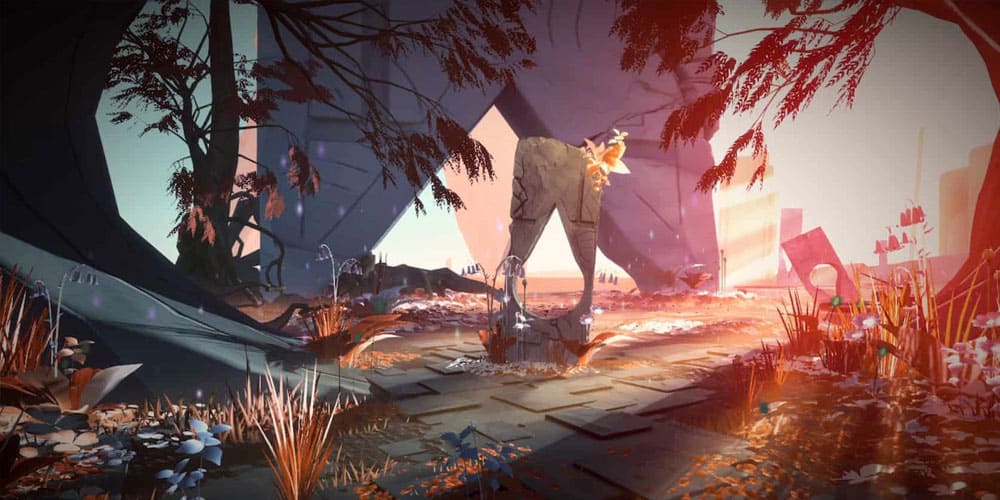
Another effective way to encourage exploration is to create non-linear gameplay experiences that allow players to choose their own paths and discover content at their own pace. By providing multiple routes and branching storylines, players will feel empowered to make their own choices and shape their own journey through the game world. This sense of freedom and autonomy can greatly enhance the player’s sense of immersion and encourage them to explore every corner of your game minecraft hosting modded server world.
Furthermore, incorporating dynamic events and emergent gameplay can also encourage exploration by creating unexpected surprises and challenges for players to overcome. By introducing random encounters, environmental hazards, and interactive elements that respond to player actions, you can keep players on their toes and encourage them to explore new areas and experiment with different strategies.
In conclusion, designing systems that encourage exploration in your game is essential for creating a rich and engaging player experience. By fostering a sense of curiosity and wonder, providing meaningful rewards, offering non-linear gameplay experiences, and incorporating dynamic events, you can create a game world that entices players to explore, experiment, and uncover its hidden treasures. So go ahead, let your imagination run wild and design a game that sparks the spirit of exploration in every player who picks up the controller.