
 Le Souffle des Âmes
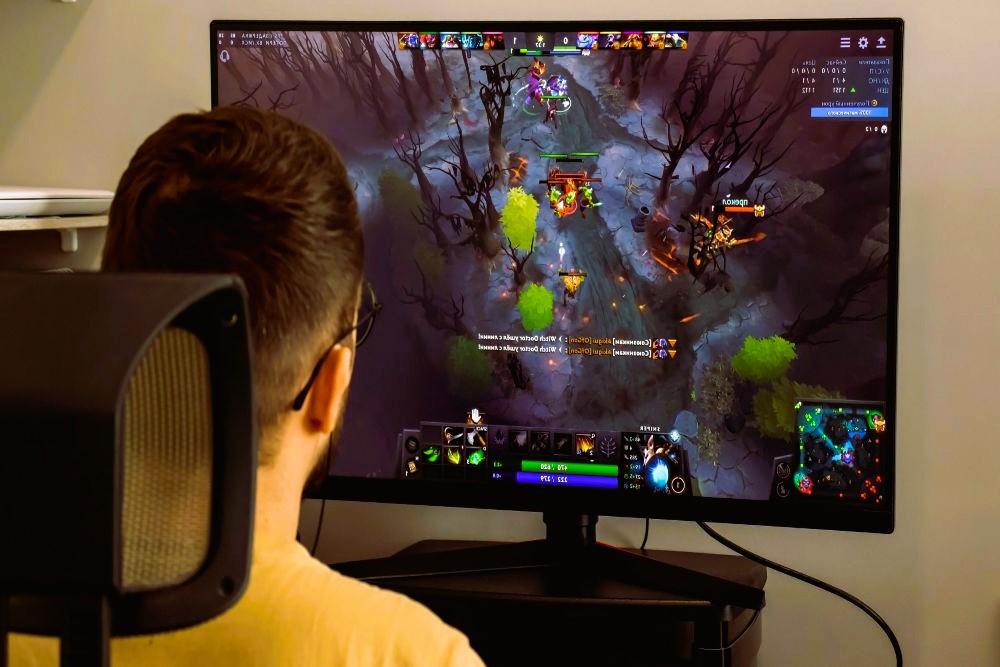
 Dota 2 is one of the most complex and strategic games in the world of esports, offering players a dynamic environment where they must make quick decisions, manage resources, and constantly adjust their strategies. A key element in Dota 2, like many other competitive games, is understanding the psychological aspects of risk and reward. How do players assess risk, and what motivates them to take risks during a match? Let’s delve into the psychological factors that influence player decisions in Dota 2.
1. The Role of Risk in Dota 2
In Dota 2, risk-taking is an essential part of gameplay. From diving into the enemy’s base to securing objectives like Roshan, players are often faced with high-stakes decisions. These risks can pay off with a substantial reward, such as securing a kill, gaining map control, or achieving a key objective. However, failure can lead to significant setbacks, including loss of gold, experience, and potential team wipeouts.
The psychological aspect of risk in Dota 2 revolves around how players perceive potential outcomes. Some players may be more inclined to take risks if they feel confident in their abilities or if they have a strong team dynamic. Others may avoid risks, focusing on safer strategies that may result in slower, but more reliable progress.
2. Understanding the Reward System
Reward in Dota 2 comes in many forms—whether it’s achieving a high kill count, completing objectives, or simply outsmarting opponents with well-timed plays. The satisfaction of outplaying an opponent or executing a successful strategy provides a strong sense of accomplishment. Psychologically, rewards can be motivating, especially when players feel they are reaping the benefits of their strategic decisions.
For players, the anticipation of reward plays a crucial role in decision-making. The thrill of success and the pleasure derived from achieving in-game goals often drive players to take calculated risks. The positive reinforcement of success encourages them to keep pushing forward, often resulting in a cycle of risk-taking and reward-seeking behavior. How the psychology of stealth works in games like Assassin’s Creed and Hitman is covered in more detail in our article.
3. The Psychological Factors Behind Risk-Taking
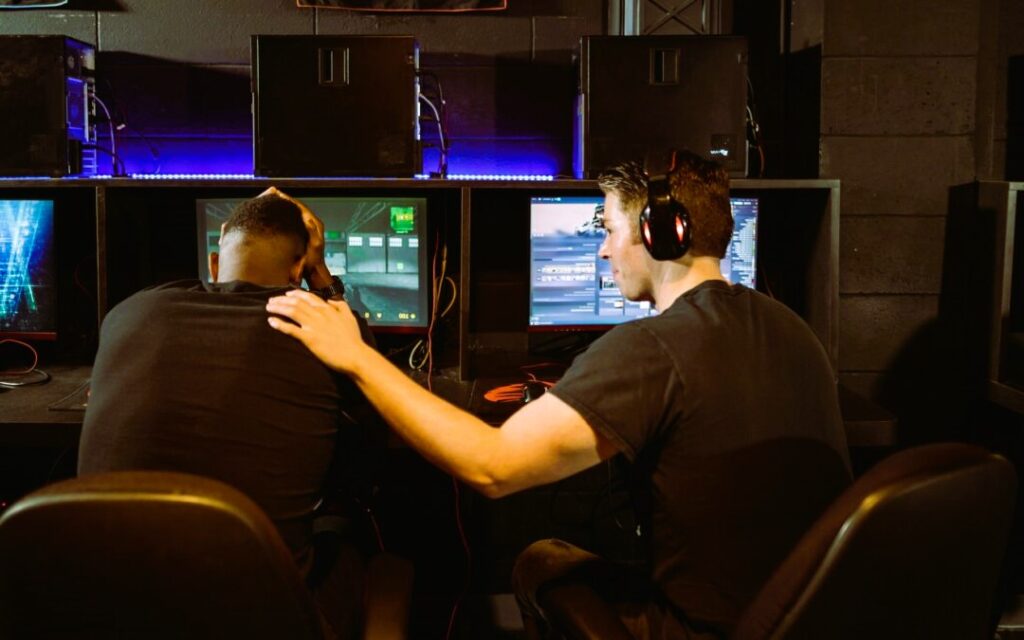
Several psychological factors influence players’ willingness to take risks in Dota 2:
- Confidence: A player’s self-assurance can drive them to take risks. Confident players are more likely to engage in aggressive strategies, knowing they can execute the necessary moves to secure a win.
- Team Dynamics: Dota 2 is a team-based game, and the support of teammates can encourage risk-taking. Positive reinforcement from teammates or strong teamwork can provide the psychological safety to make bold moves.
- Emotional Control: Players who can maintain emotional control during high-pressure moments are better equipped to assess risks and make rational decisions. Emotional stability allows players to manage the fear of failure and act with a clear mind.
4. Conclusion
Understanding the psychological aspects of risk and reward in Dota 2 can greatly enhance a player’s gameplay experience. The willingness to take calculated risks can lead to high-reward moments, but balancing that with the potential consequences of failure is key. By developing self-confidence, focusing on teamwork, and maintaining emotional control, players can improve their decision-making and ultimately increase their chances of success.
For more insight into Dota 2 and its psychological aspects, check out Dota 2 on Wikipedia.