
 Le Souffle des Âmes
 Rust is one of the most intense and unforgiving survival games out there. It combines elements of resource management, base building, and player-versus-player (PvP) combat in a brutal, high-stakes environment. Players are constantly battling not only the harsh world around them but also the psychological pressure that comes with survival in such an intense setting.
In this guide, we’ll explore how to maintain a calm and focused mindset, which is crucial for thriving in Rust’s high-stress environment.
1. Understand the Mental Pressure of Rust
Rust’s gameplay can be incredibly stressful, especially in the early stages when you’re struggling to build a base and gather resources. The fear of losing everything to another player or a raid can induce anxiety and panic, making it difficult to make clear decisions.
To stay calm, it’s important to acknowledge that this pressure is a part of the game. Mental resilience in survival games, like Rust, is built through understanding the constant threat of PvP encounters and the inevitability of setbacks. Accepting this uncertainty helps you maintain a level-headed approach when things don’t go as planned.
2. Manage Stress Through Preparation
One of the key psychological tactics for thriving in Rust is preparation. The more you prepare, the less likely you are to panic in high-stress situations. Whether it’s gathering materials for crafting weapons or fortifying your base, proactive planning can help mitigate the anxiety caused by unpredictable encounters.
Start with smaller tasks and gradually build up your base and gear. It’s better to have a strong foundation than to rush into combat unprepared, as this will prevent unnecessary stress when things inevitably go wrong.
3. Learn to Handle Losses
In Rust, losses are inevitable—your base may get raided, you might lose all your gear, or you might be wiped out by another player. Learning to handle these losses without letting them affect your emotional state is vital. Take these setbacks as part of the survival experience.
After a loss, take a step back, breathe, and reassess your situation. Reflect on what went wrong, but avoid placing blame on yourself. This approach helps maintain a healthy mindset and reduces the chances of giving in to frustration or anger, which can cloud your judgment. The impact of teamwork in Overwatch 2, read more here.
4. Use the “Pause” Button: Take Breaks
Rust’s intense gameplay can lead to burnout if you don’t take regular breaks. Spending too much time in the game without a break can lead to fatigue and stress, impairing your decision-making.
Schedule time away from the game to recharge mentally. Whether it’s taking a walk, chatting with friends, or engaging in other relaxing activities, stepping away from the screen helps reset your mind and ensures that you come back to the game refreshed.
5. Maintain a Positive Mindset
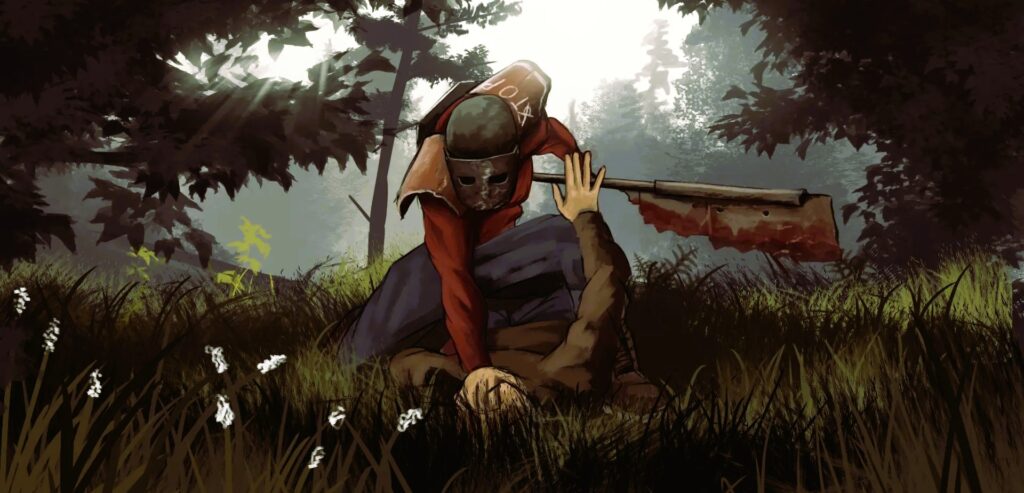
A positive mindset can make a significant difference in how you handle challenges in Rust. Cultivating optimism, even in the face of setbacks, helps you focus on what you can control. Instead of fixating on your losses, focus on your progress and the lessons learned from each failure.
Being able to laugh off a failed raid or a disastrous fight can keep the game enjoyable and prevent negative emotions from escalating. A positive attitude also helps in high-pressure moments, as it allows you to think more clearly and make better decisions.
6. Embrace Teamwork and Communication
Rust can be overwhelming when played alone, but teamwork can provide a sense of security and support in an otherwise cutthroat environment. Build a reliable team, communicate effectively, and share resources. Having a group of players you trust can relieve some of the psychological pressure by offering backup during raids or defending your base together.
Effective communication with teammates, particularly under stress, is key. Staying calm during high-stakes situations and coordinating with your team can make all the difference.
7. Take Advantage of In-Game Peaceful Moments
Despite its chaotic nature, Rust offers moments of calm when you’re not actively fighting for survival. Use these moments to meditate or reflect on your strategy, work on your base, or explore the map. These peaceful periods give you a chance to clear your mind, reorient your focus, and gather your bearings before diving back into the action.
8. Focus on the Long-Term Goals
While the immediate goal in Rust is survival, it’s important to have long-term goals that help guide your actions. Whether it’s building an impenetrable base, mastering crafting skills, or developing advanced weaponry, long-term goals give you something to strive toward, reducing the sense of panic that can arise from short-term challenges.
Taking a step back and focusing on the bigger picture allows you to regain control of your mental state and make thoughtful decisions rather than rash, stress-driven ones.
Rust is not just about managing resources and surviving; it’s about managing your mind under pressure. By practicing mental resilience, staying calm during setbacks, and preparing for the unexpected, you can thrive in Rust’s intense environment. The key is to embrace the chaos, maintain a clear focus, and remember that surviving is as much about psychological endurance as it is about in-game skills.
For a deeper understanding of the game and its survival mechanics, you can visit the Rust Wiki.