
 Le Souffle des Âmes
 Stealth gameplay in video games offers a unique psychological experience, requiring players to think strategically, make calculated decisions, and remain patient. Games like Assassin’s Creed and Hitman have mastered this concept, combining psychological principles with in-game mechanics to create intense, immersive experiences. The psychology behind stealth mechanics involves risk assessment, patience, and the thrill of unseen success.
1. The Role of Risk and Reward in Stealth
In games like Assassin’s Creed and Hitman, stealth often revolves around balancing risk and reward. Players must navigate environments without alerting enemies or triggering alarms. Taking risks—whether by sneaking too close to a guard or entering a restricted area—can result in failure, such as losing progress or facing combat. However, succeeding in stealthy actions rewards players with satisfaction, progression, and sometimes in-game bonuses.
The psychological appeal of risk and reward in stealth mechanics lies in the tension of evading detection. Players experience a surge of adrenaline when they manage to avoid detection, and the fear of failure motivates them to improve their strategies.
2. Patience and Planning
Stealth-based games require a high level of patience and foresight. Unlike fast-paced action games, players need to plan their every move carefully. In Hitman, for instance, players must observe the patterns of enemies and use the environment to their advantage, waiting for the perfect moment to strike—or to remain undetected.
Psychologically, this requires a shift from immediate gratification to long-term planning. Players experience a sense of achievement when they successfully execute their plan without being noticed. The reward of patience is the satisfaction of completing a mission without resorting to combat or chaos.
3. The Thrill of Being Unseen
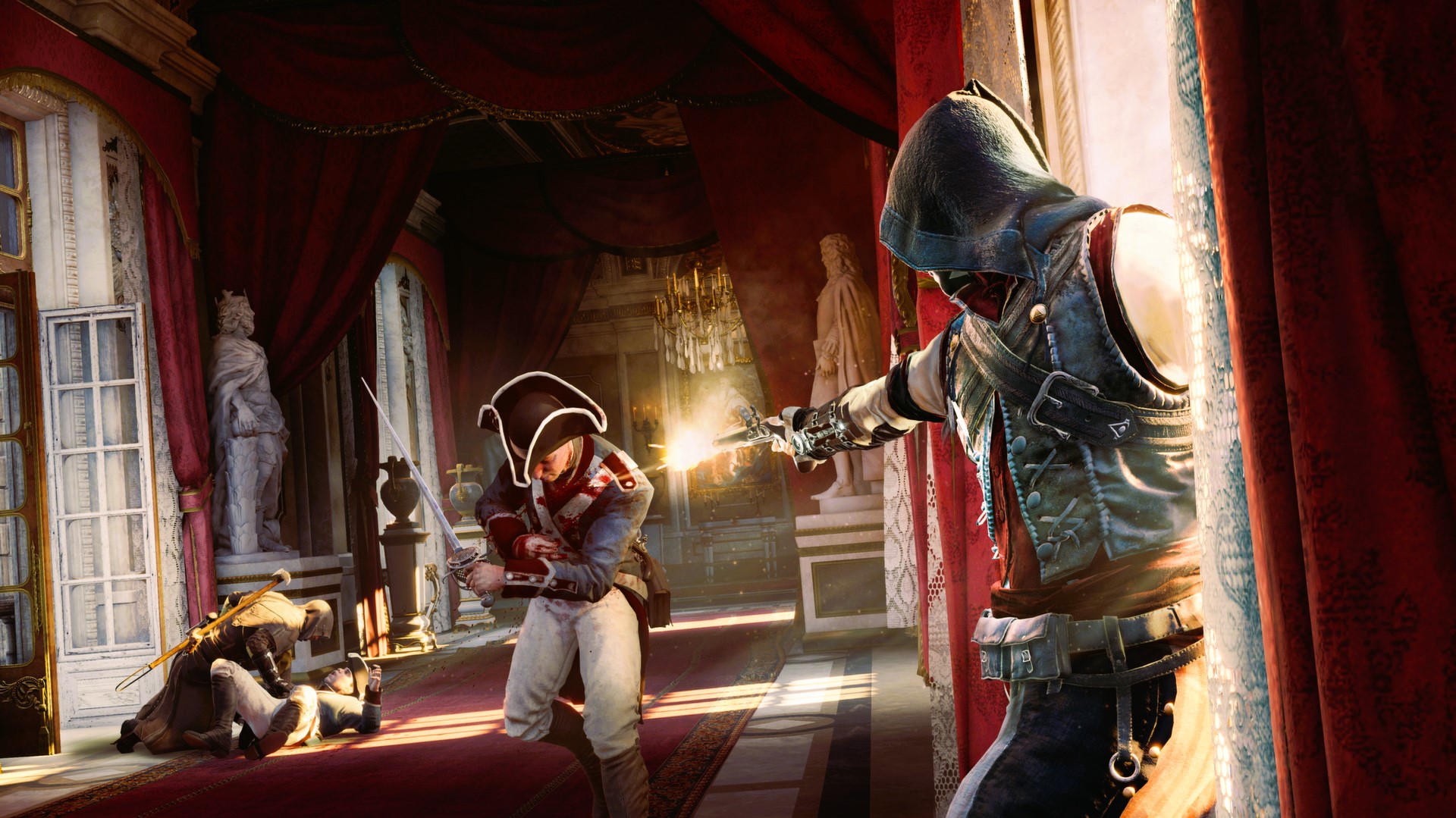
The psychological thrill of being unseen is at the heart of stealth gameplay. In games like Assassin’s Creed, players assume the role of a master assassin, moving silently through crowds and rooftops. The thrill of blending in with the environment and moving unnoticed taps into the player’s desire for control and mastery. Like this article? Read also about The Evolution of World of Warcraft.
This “unseen” element also plays into a deeper psychological concept: the idea of power through invisibility. By remaining hidden, players gain a sense of control over their surroundings and enemies, often making them feel omnipotent. This is one reason why stealth mechanics are so compelling in games—they allow players to experience power without directly confronting enemies.
4. Psychological Challenges in Stealth Games

While stealth games offer rewarding psychological experiences, they also present challenges. One major challenge is managing anxiety and stress. The tension of being detected can create a heightened sense of anxiety, which may lead to mistakes. Furthermore, stealth gameplay can trigger players’ sense of impatience, leading them to rush or take unnecessary risks. Learning to manage these emotions and stay calm under pressure is a key part of mastering stealth-based gameplay.
5. Conclusion
The psychology of stealth in games like Assassin’s Creed and Hitman involves balancing risk, reward, patience, and emotional control. Stealth mechanics engage players by offering a unique challenge that rewards careful planning, strategic thinking, and the thrill of success through invisibility. Understanding these psychological principles can enhance your gameplay experience and help you better navigate the world of stealth.
For more insights into the world of stealth gaming, visit Assassin’s Creed on Wikipedia.