

 Le Souffle des Âmes
 World of Warcraft (WoW) has evolved dramatically since its release in 2004, growing into one of the most iconic MMORPGs of all time. The game’s constant updates, expansions, and patches have shaped its gameplay, mechanics, and community. To stay competitive in a game that constantly changes, players must adapt, learn new strategies, and embrace the evolving dynamics of the WoW universe. Here, we explore how World of Warcraft has evolved and the psychological mindset needed to stay ahead in such a dynamic environment.
1. Constant Game Updates and Expansions
Since its release, World of Warcraft has seen numerous expansions and updates that introduce new content, including dungeons, raids, races, and classes. These updates change the way players approach the game, requiring them to adapt to new challenges and environments. Every expansion, such as The Burning Crusade or Shadowlands, brings significant shifts in class balance, game mechanics, and overall strategies.
For players, staying competitive requires constant learning and adapting to these changes. The psychological challenge of embracing new expansions without feeling overwhelmed can be a key factor in maintaining competitiveness. A willingness to explore and experiment with new strategies is essential to mastering the ever-changing world of WoW.
2. Adapting to Class Changes and Balancing
One of the most noticeable changes in WoW’s evolution is the continuous adjustments made to classes and specializations. These changes can range from small tweaks to complete overhauls of a class’s abilities. For competitive players, it’s vital to stay informed about these updates, as shifts in class performance can directly impact raid strategies and PvP dynamics.
Adapting to class changes requires flexibility and a growth mindset. Players must be able to embrace new playstyles, whether it’s adjusting to a nerf or mastering a newly buffed ability. This adaptability is key to staying competitive in a game where meta shifts are frequent and impactful.
3. The Importance of Teamwork in WoW’s Evolution
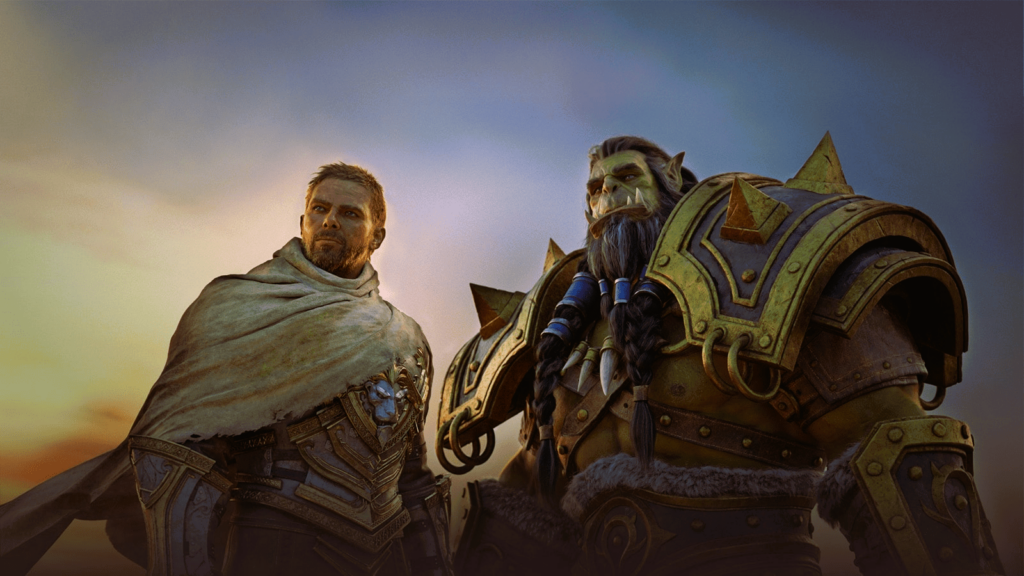
As WoW has evolved, so too has the importance of teamwork. Raids, dungeons, and battlegrounds all require collaboration with other players, and success often hinges on effective communication and coordination. Whether you’re part of a guild tackling the latest raid or participating in a high-stakes PvP encounter, teamwork is essential to maintaining competitiveness. How to stay focused in Call of Duty: Warzone and avoid burnout, read more at this link.
The psychological aspects of teamwork in WoW are crucial. Trusting your teammates, knowing when to take the lead, and understanding your role within the group all contribute to success. As the game evolves, so do team dynamics, and being able to work well with others in a constantly changing environment is a valuable skill.
4. Mental Resilience and Long-Term Strategy
With World of Warcraft being a long-term commitment for many players, mental resilience plays a significant role in staying competitive. The game’s evolving nature can sometimes lead to frustration, especially during periods of major changes or when things don’t go as planned in raids or PvP. Developing the mental toughness to push through setbacks and maintain a positive attitude is crucial for long-term success.
Staying competitive also means being strategic about your goals. Whether you’re aiming for high-level PvP rankings, completing every raid boss, or collecting every achievement, having a long-term plan helps players focus their energy on the aspects of the game that matter most to them.
5. Conclusion
The evolution of World of Warcraft has made it one of the most dynamic and challenging games to remain competitive in. By staying informed about updates, adapting to class changes, embracing teamwork, and developing mental resilience, players can maintain a competitive edge in this ever-evolving universe.
To learn more about the history and evolution of World of Warcraft, visit World of Warcraft on Wikipedia.