
 Le Souffle des Âmes
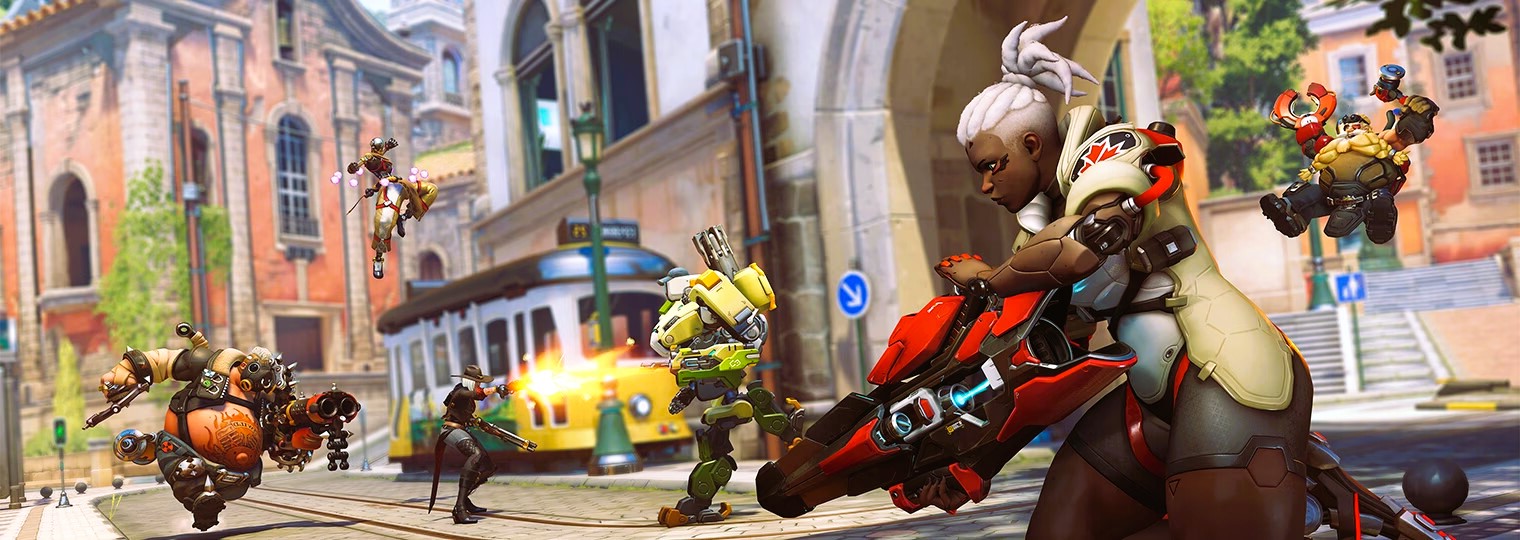
 Overwatch 2 is a dynamic, team-based hero shooter where success hinges on the ability to work cohesively with teammates. While individual skill is important, the true essence of Overwatch 2 lies in strategic teamwork. Whether you’re pushing the payload, defending objectives, or securing critical objectives, the effectiveness of your team’s coordination and synergy can make or break a match.
In this article, we will explore the importance of teamwork in Overwatch 2 and provide strategies for improving synergy within your team.
Understanding the Role of Teamwork in Overwatch 2
Overwatch 2 is designed around the concept of hero-based teamwork, where each character has unique abilities that contribute to the overall success of the team. With diverse heroes, from damage-dealing DPS characters to support and tank roles, every team composition is built to play off of each other’s strengths. For example, a tank might create space for damage dealers to unleash their power while a support hero keeps everyone alive with healing.
Effective teamwork isn’t just about coordination between abilities; it’s about understanding how each player’s actions contribute to the larger goal. Teamwork in Overwatch 2 fosters not only a smoother gameplay experience but also the execution of high-level strategies that can overwhelm opponents.
Communicate Constantly with Your Team
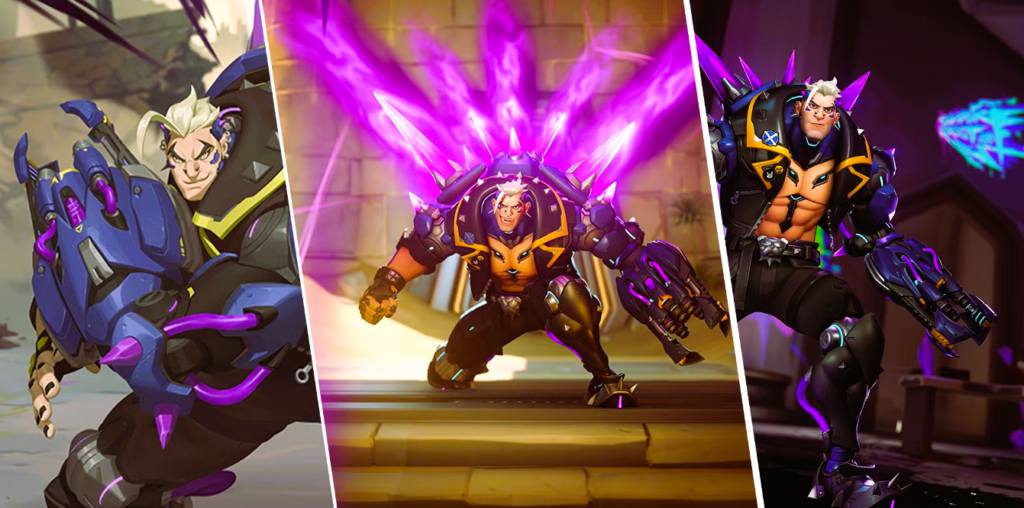
Communication is arguably the most important aspect of teamwork in Overwatch 2. Whether you’re using voice chat, the in-game ping system, or text chat, clear and concise communication helps your team stay coordinated and make real-time decisions. This is especially important in a game where split-second decisions can change the tide of battle.
Inform your team about enemy positions, the use of ultimate abilities, and any changes in strategy. If you see that an enemy team is setting up for a strong push, communicate it immediately. Likewise, when you’re about to initiate a team fight or push, let your teammates know so they can align their abilities accordingly. Want to break into eSports? Read also about Valorant: Smokes and Strategic.
Know Your Role and Play It Effectively
While it’s tempting to play your favorite hero or try out something new, it’s important to understand how your chosen hero fits into the team’s strategy. Each hero has a unique role, whether that’s dealing damage, tanking damage, or healing your teammates.
- Tanks: Your role is to create space for your team and absorb damage. Coordinate with your teammates to engage or disengage from fights effectively.
- Damage Dealers: Your job is to deal damage and eliminate opponents. Stick close to your tank for protection and always be mindful of the positioning to avoid getting caught alone.
- Supports: Keep an eye on your team’s health and use your abilities to keep them alive. If you’re a healing support, don’t forget to use offensive abilities to help with enemy pressure.
By understanding your role, you’re able to better coordinate with your team and contribute to synergy, enhancing the overall efficiency of your team’s strategy.
Focus on Ultimate Economy
Ultimate abilities can turn the tide of battle, but they need to be used strategically. One of the most common mistakes players make is using ultimates haphazardly or at the wrong time, which can lead to wasted opportunities. The key to effective ultimate usage is synergy—using ultimates in conjunction with your teammates’ abilities to maximize impact.
For example, pairing a Zarya Graviton Surge with a Hanzo Dragonblade can lead to devastating results. Coordinate your ultimates with your team’s plan, and try to save them for crucial team fights or game-changing moments. Being aware of your teammates’ ultimate charge and timing them together can lead to team wipes and turn the game in your favor.
Positioning and Map Awareness
Positioning is crucial for teamwork, as it dictates how effective your team can be during engagements. Good positioning allows you to control key areas of the map, such as high ground, choke points, or objectives, while also giving you the best possible chance of survival.
- Tanks should be at the forefront, creating space for damage dealers and drawing enemy attention away from supports.
- Damage Dealers should maintain a position that maximizes their ability to deal damage while staying close to supports for healing and protection.
- Supports should position themselves in a way that they can heal and support teammates without being too exposed to enemy attacks.
Make sure to adjust your positioning accoссrding to the map, the enemy’s composition, and the overall game flow. Effective positioning not only allows your team to survive longer but also makes it easier to engage in coordinated attacks.
Adapt and Be Flexible
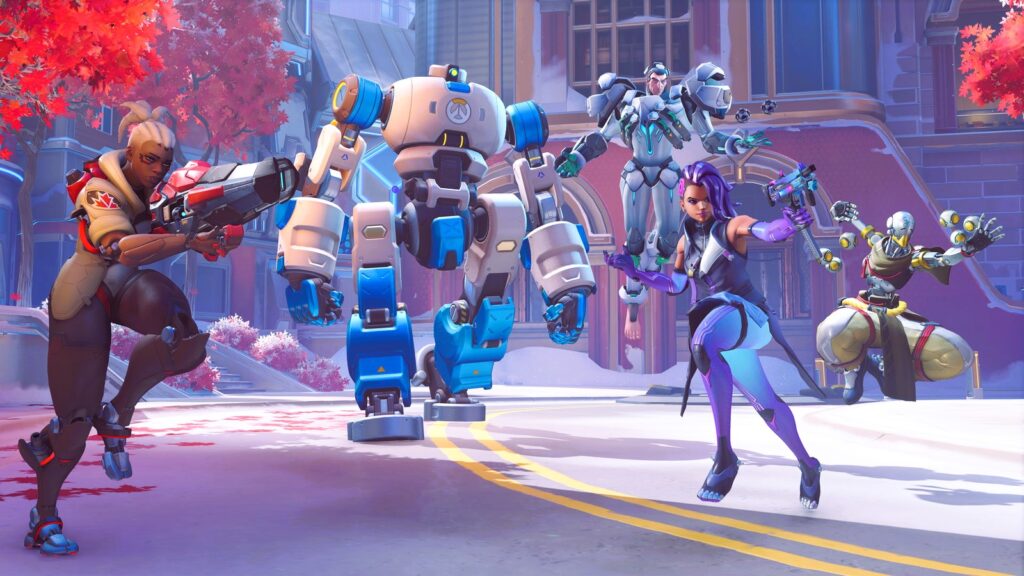
In Overwatch 2, the battle constantly changes based on the enemies you face, the objectives you’re trying to capture, and the heroes being picked. Flexibility is key in maintaining synergy. Being able to adapt your hero picks to counter enemy compositions or to change strategy on the fly ensures that your team isn’t left scrambling when things go wrong.
For example, if the enemy team is running a heavy dive composition, consider picking heroes like Winston or D.Va to match the aggression, or switch to more defensive supports if they’re diving your backline. Always be open to suggestions from your teammates and adjust when necessary.
Stay Positive and Be Encouraging
Team morale is a vital aspect of teamwork. Overwatch 2, like many other competitive games, can be emotionally intense, and players can easily become frustrated when things aren’t going well. As a teammate, it’s important to stay positive and encourage each other, especially in tough situations.
If your team is behind or has just lost a key fight, remind them that it’s not over. Reaffirming each other’s confidence can boost team morale and encourage everyone to play with a renewed sense of focus.
In Overwatch 2, synergy and teamwork are the foundation of success. Communication, knowing your role, timing ultimates, and adapting to the ever-changing dynamics of the game are key to improving team performance. By fostering these skills and maintaining a positive mindset, you and your team can climb the ranks and secure victory in the ever-competitive world of Overwatch 2.
For more insights on Overwatch 2 and its mechanics, feel free to explore the Overwatch 2 Wiki.