
 Le Souffle des Âmes
 In the world of competitive gaming, skill and strategy are crucial elements of success, but one factor often goes overlooked: mental conditioning. Esports athletes, much like traditional athletes, require mental fortitude to perform at their best, especially in high-pressure, high-stakes environments. The ability to maintain focus, handle stress, and bounce back from setbacks is just as important as technical proficiency in games.
Why Mental Conditioning Matters
Esports is not just about fast reflexes and game knowledge—it’s about managing emotions, making split-second decisions, and staying calm under pressure. Mental conditioning helps players develop the psychological resilience needed to thrive in such a demanding environment. Here are several reasons why mental conditioning is vital for esports athletes:
- Maintaining Focus and Concentration Competitive games like League of Legends, Valorant, and CS: GO require players to remain focused for extended periods. Distractions can lead to mistakes and missed opportunities. Mental conditioning helps players sharpen their focus, ensuring that they stay locked in and avoid mental fatigue.
- Emotional Control Esports players often face moments of extreme emotion, whether it’s the thrill of a close victory or the frustration of a crushing defeat. Effective mental conditioning techniques, such as mindfulness and self-talk, allow athletes to control their emotions and prevent them from negatively affecting their performance. Staying calm, even in moments of intense stress, is key to making better decisions and performing at the highest level.
- Resilience and Recovery Failure is an inevitable part of any competitive endeavor. Esports athletes must learn how to bounce back quickly from mistakes, losses, or unfavorable situations. Mental conditioning builds resilience, helping players stay motivated and focused even when things aren’t going their way. It enables them to learn from their setbacks and improve continuously.
- Team Dynamics and Communication In team-based games, such as Dota 2, Overwatch, and Rocket League, communication and teamwork are paramount. Mental conditioning can help players develop positive communication habits, manage in-game stress, and work seamlessly with teammates. Building trust within the team and maintaining a supportive atmosphere can significantly improve overall performance. Read more about how to build faster and more efficiently in Minecraft PvP in our article for competitive players.
- Managing Pressure and Anxiety Esports events often take place in front of large crowds or through live streams, with millions of viewers watching the action. The pressure of these high-stakes environments can lead to anxiety, which in turn impacts performance. Mental conditioning techniques, like deep breathing, visualization, and relaxation exercises, can help athletes manage anxiety and perform under pressure.
Methods of Mental Conditioning
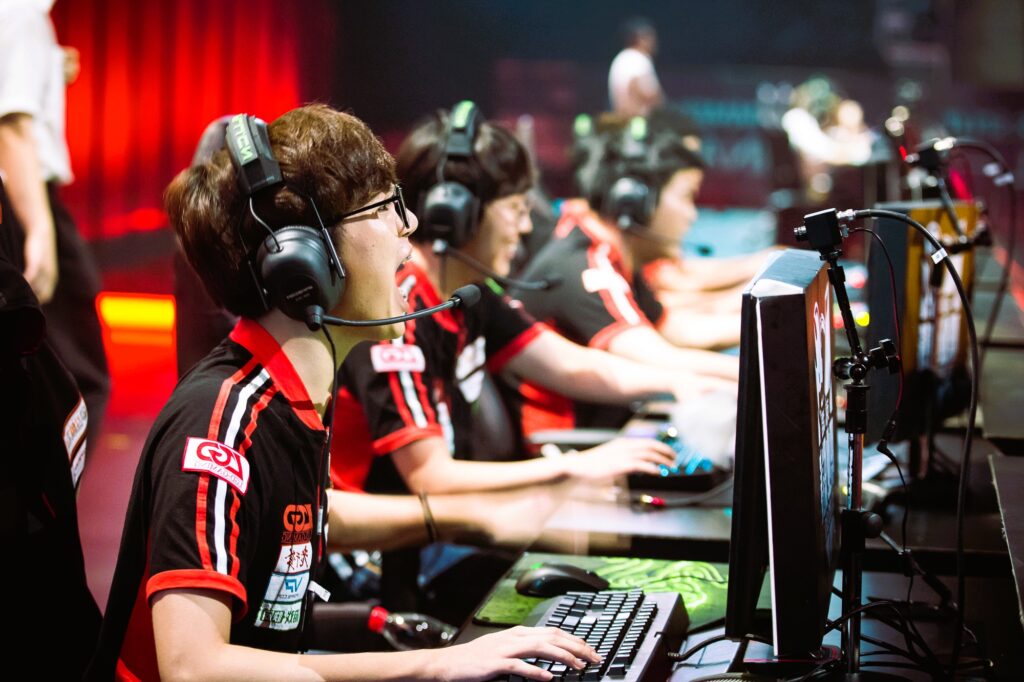
Esports athletes use various techniques to enhance their mental conditioning:
- Mindfulness and Meditation: These techniques help players stay grounded and focused on the present moment, reducing stress and anxiety.
- Visualization: Athletes use visualization to mentally rehearse different scenarios, allowing them to anticipate challenges and be better prepared.
- Cognitive Behavioral Strategies: These approaches teach athletes to recognize and reframe negative thoughts, replacing them with more positive and productive thinking patterns.
- Positive Self-Talk: Encouraging oneself and maintaining a positive internal dialogue can boost confidence and maintain motivation.
The Role of Coaches and Psychologists
Mental conditioning in esports is not solely the responsibility of the players; coaches and sports psychologists also play an important role. Coaches provide guidance and support, helping players develop strategies for coping with stress and building mental resilience. Sports psychologists specialize in mental training, offering personalized techniques to address individual needs and challenges.
As esports continues to grow as a professional sport, the importance of mental conditioning will only increase. Athletes who invest time and effort into developing their mental strength are more likely to achieve long-term success in the competitive gaming scene.
The mental aspect of gaming is just as important as the physical and technical aspects. Mental conditioning helps esports athletes maintain focus, control their emotions, stay resilient, communicate effectively with teammates, and perform under pressure. By investing in mental training, athletes can enhance their performance and achieve success in the competitive world of esports.
For further reading, you can explore the importance of mental conditioning in competitive sports on Wikipedia.