
 Le Souffle des Âmes
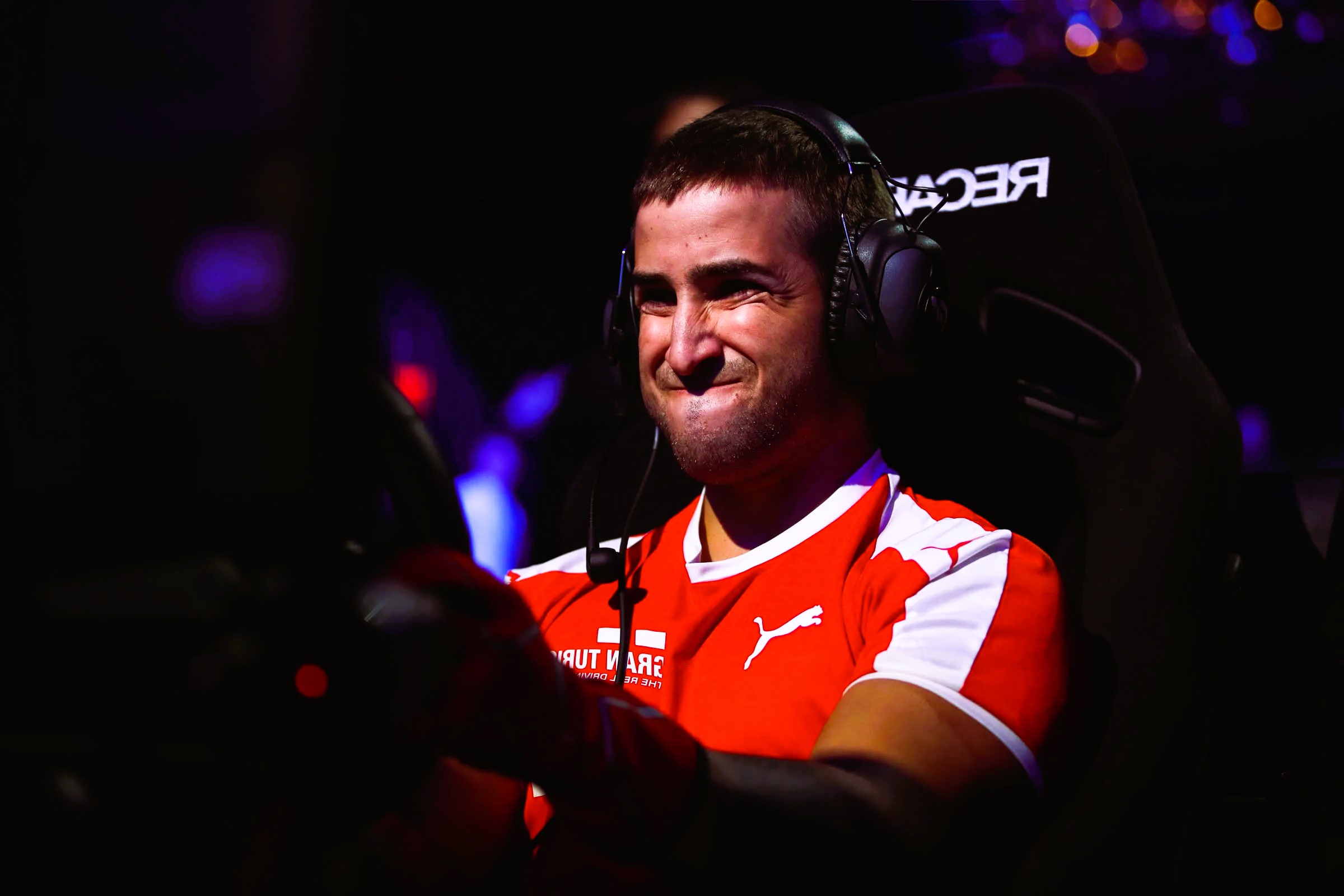
 In the fast-paced world of esports, stress management has become a crucial factor in determining success. Esports athletes, like traditional sports athletes, face intense pressure during competitions. The need to maintain focus, make split-second decisions, and perform consistently under pressure can lead to significant stress. However, the way athletes manage this stress can make all the difference in their performance. This article explores the role of stress management in achieving esports success and how players can develop the skills needed to thrive in high-pressure environments.
1. The Unique Nature of Stress in Esports
Esports stress differs from the type of stress that traditional athletes experience, largely due to the mental and emotional demands placed on players. In games like League of Legends, Dota 2, or Counter-Strike: Global Offensive, players must make rapid decisions, process large amounts of information, and stay focused for long periods—often under the watchful eyes of thousands or even millions of viewers.
Moreover, players also face the added stress of competing in online environments, where factors such as internet connectivity and remote communication can further increase anxiety. Competitive players in esports are often juggling the emotional highs and lows of winning and losing, making effective stress management a fundamental skill.
2. How Stress Affects Performance
When stress goes unmanaged, it can lead to negative consequences for esports players. Studies have shown that high levels of stress can impair cognitive function, reduce reaction times, and diminish decision-making ability—critical elements in games that require fast thinking and precision. Players under stress are also more likely to make errors or overlook important strategic elements, which can lead to costly mistakes in competition. Read about what makes Counter-Strike: Global Offensive one of the most competitive FPS games? Read more in our article.
Additionally, chronic stress can have physical effects, including fatigue, muscle tension, and headaches. These physical symptoms can be particularly detrimental to gamers, as they may interfere with the long hours of practice and gameplay required to perform at a high level.
3. Stress Management Techniques for Esports Athletes
Mindfulness and Meditation
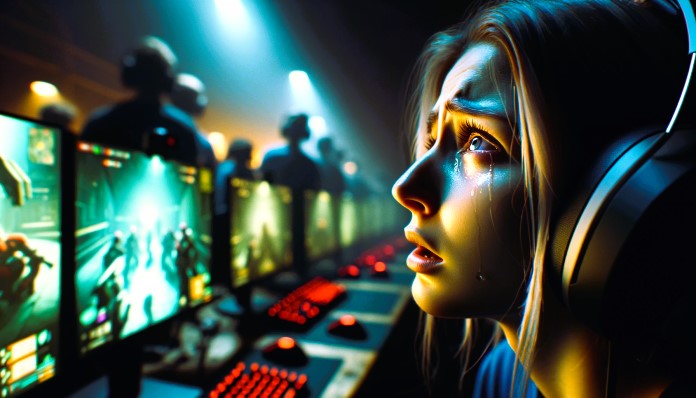
One of the most effective ways to manage stress in esports is through mindfulness practices such as meditation. Meditation can help players calm their minds, improve focus, and regain control of their emotions. Mindfulness allows players to stay grounded in the present moment, preventing them from becoming overwhelmed by the pressure of upcoming rounds or the fear of losing.
Several professional esports teams now incorporate mindfulness exercises into their training regimens. For example, some teams practice deep breathing exercises before important matches to help reduce anxiety and stay focused on the game.
Mental Conditioning and Cognitive Behavioral Techniques
In addition to mindfulness, mental conditioning plays a vital role in esports. Cognitive Behavioral Therapy (CBT) techniques, which help individuals reframe negative thoughts and emotions, can be valuable for gamers. When facing a stressful situation, a player can use CBT strategies to avoid catastrophic thinking (“If I lose this match, it’s over!”) and instead focus on what they can control—such as improving their strategy or teamwork.
Training in mental resilience is essential for players to stay calm during high-pressure moments. These techniques allow esports athletes to manage their emotional responses, especially during crucial in-game moments.
Physical Exercise and Sleep
While esports is primarily mental, physical well-being also plays a significant role in managing stress. Regular physical exercise has been shown to reduce stress hormones and boost overall mood. Activities such as yoga, stretching, or even a brisk walk can help gamers alleviate physical tension and stay mentally sharp.
Sleep is another important aspect of stress management. In the competitive esports world, players often practice and compete late into the night, which can result in insufficient rest. Sleep deprivation not only heightens stress levels but also diminishes cognitive performance, making it harder for players to maintain focus and make critical decisions.
4. Team Support and Communication
In team-based esports games, communication plays a huge role in managing stress. When players communicate effectively, they can share the burden of stress and anxiety, ensuring that everyone is on the same page and focused on achieving a common goal. Team support fosters a sense of camaraderie and reduces individual stress, as players can lean on each other during difficult moments.
Good communication also means sharing feedback in a constructive way, helping each player improve without causing additional emotional strain. Esports teams that emphasize positive reinforcement and mental health care are more likely to succeed in the long run.
5. Building Stress Management Into Esports Training
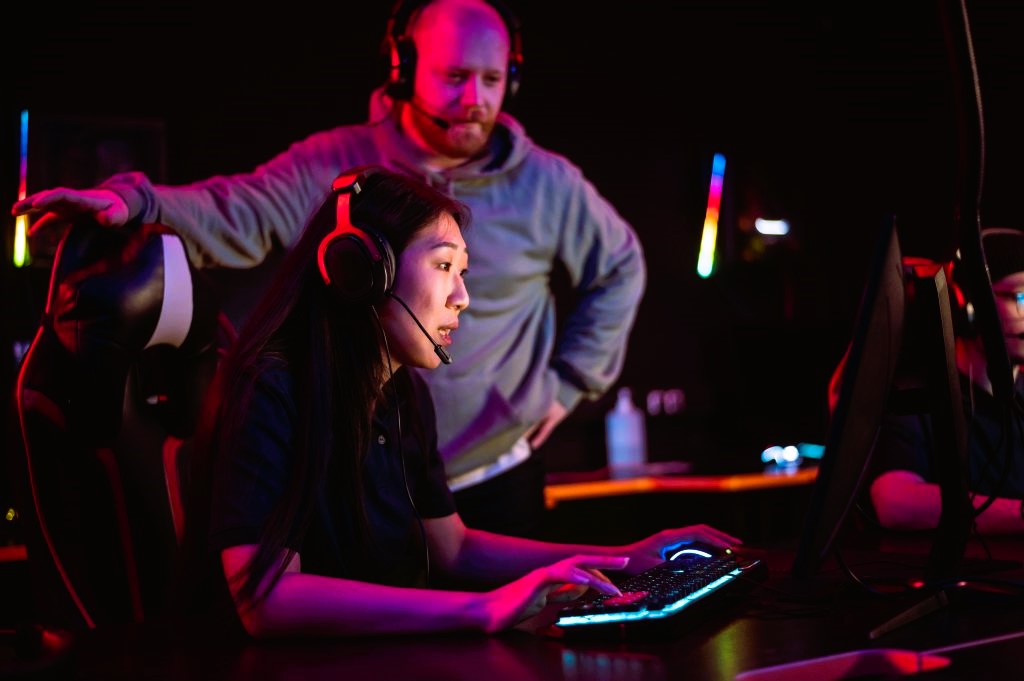
Esports organizations and coaches are increasingly recognizing the importance of mental health and stress management as part of training. Elite teams are now incorporating stress management exercises into their training schedules, understanding that players need to build mental resilience just as much as they need to develop their in-game skills.
By prioritizing mental well-being, esports organizations are giving players the tools they need to excel under pressure. They often work with sports psychologists who specialize in performance under stress to help players improve their emotional control.
6. Conclusion
The role of stress management in esports success cannot be overstated. In a high-pressure, fast-paced environment, the ability to manage stress effectively separates the top-tier players from the rest. Esports athletes who develop mental resilience through mindfulness, mental conditioning, physical exercise, and team support are more likely to perform at their best, even under the most stressful conditions.
Incorporating stress management techniques into training not only improves performance but also enhances the overall well-being of players. As esports continues to grow, the focus on mental health and stress management will only become more vital to achieving long-term success.
For more information on stress and its impact on performance, you can visit Wikipedia’s page on Stress.