

 Le Souffle des Âmes
 Motivation is a fundamental component of success, especially in the world of esports. Whether you’re climbing the ranks in a competitive game or trying to improve your skills, staying motivated can be one of the biggest challenges. The ups and downs of gaming can lead to burnout, frustration, or loss of focus, making it crucial to understand the science behind motivation and apply it effectively in your training.
What is Motivation?
Motivation is the psychological drive that fuels action toward achieving a goal. In esports, motivation determines whether players persist through tough challenges, dedicate time to practice, and continue improving their skills. There are two primary types of motivation: intrinsic and extrinsic.
- Intrinsic Motivation: This comes from within. It’s the desire to play and improve because of the inherent enjoyment or satisfaction derived from gaming itself. Intrinsic motivation leads to a deep passion for the game, often keeping players engaged even in the absence of external rewards.
- Extrinsic Motivation: This type is driven by external factors, such as earning rewards, achieving recognition, or winning tournaments. Extrinsic motivation can be a powerful driving force, especially for competitive players looking to achieve tangible goals.
Understanding both types of motivation and how they interact can help esports athletes stay focused and committed to their training.
The Science Behind Motivation
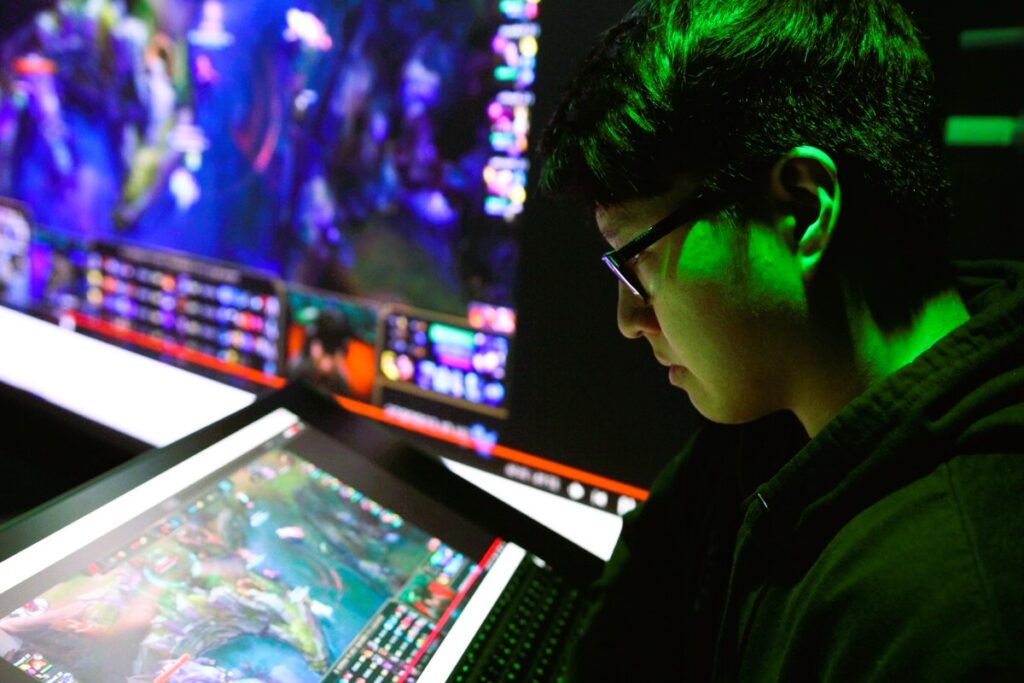
The science of motivation involves various factors that influence how and why we act. The two most well-known theories in motivation science are Self-Determination Theory (SDT) and Goal-Setting Theory.
Self-Determination Theory (SDT)
SDT, developed by psychologists Deci and Ryan, emphasizes the importance of autonomy, competence, and relatedness in fostering motivation. According to SDT, players are most motivated when they feel:
- Autonomy: The freedom to make choices about their training, game strategy, and overall approach.
- Competence: A sense of progress and improvement in skills.
- Relatedness: A connection to other players, teams, or the gaming community.
When these three needs are met, players are more likely to stay motivated and feel driven to continue developing their skills. Read about the importance of psychological preparation for eSports athletes in our article.
Goal-Setting Theory
According to Goal-Setting Theory, setting clear, specific, and challenging goals is crucial for maintaining motivation. When goals are measurable and attainable, they help players track progress and stay committed to their training. Specific goals like “reach Diamond rank in 30 days” or “improve headshot accuracy by 10% in the next week” provide a sense of direction and achievement.
The key is to break down larger, long-term goals into smaller, manageable tasks that can be accomplished on a daily or weekly basis. This not only helps maintain motivation but also ensures that players continue improving in a sustainable manner.
Strategies to Stay Motivated in Esports Training
- Set Clear and Achievable GoalsSetting short-term and long-term goals is essential for maintaining motivation. Make sure your goals are SMART: Specific, Measurable, Achievable, Relevant, and Time-bound. For instance, setting a goal like “Complete 50 hours of practice this month” provides a clear target to focus on. Tracking progress gives you something to celebrate, fueling your motivation to continue.
- Focus on Improvement, Not Just ResultsWhile winning is important, focusing on continuous improvement can be a more sustainable source of motivation. Celebrate small victories in your training, like improving your aim or refining your strategy, even if you haven’t reached your ultimate goal yet. Recognizing progress along the way can prevent frustration and burnout.
- Create a Supportive EnvironmentSurround yourself with a team or a community that encourages your growth. Whether you’re training with teammates or joining a gaming community, having people who support your goals can increase your motivation. Team dynamics, communication, and shared goals help keep you on track.
- Use Positive ReinforcementReward yourself for achieving milestones. Positive reinforcement, like taking a break or treating yourself to something enjoyable, can help you associate training with rewards, boosting your motivation to keep going. Celebrating small wins helps prevent burnout and maintains long-term motivation.
- Keep the Game FunWhile training is essential for improvement, it’s important to maintain a sense of enjoyment. If the grind becomes tedious or stressful, take breaks or incorporate fun activities into your routine. Try playing casually with friends, experimenting with new strategies, or exploring new games to keep your passion for gaming alive.
Overcoming Motivation Slumps
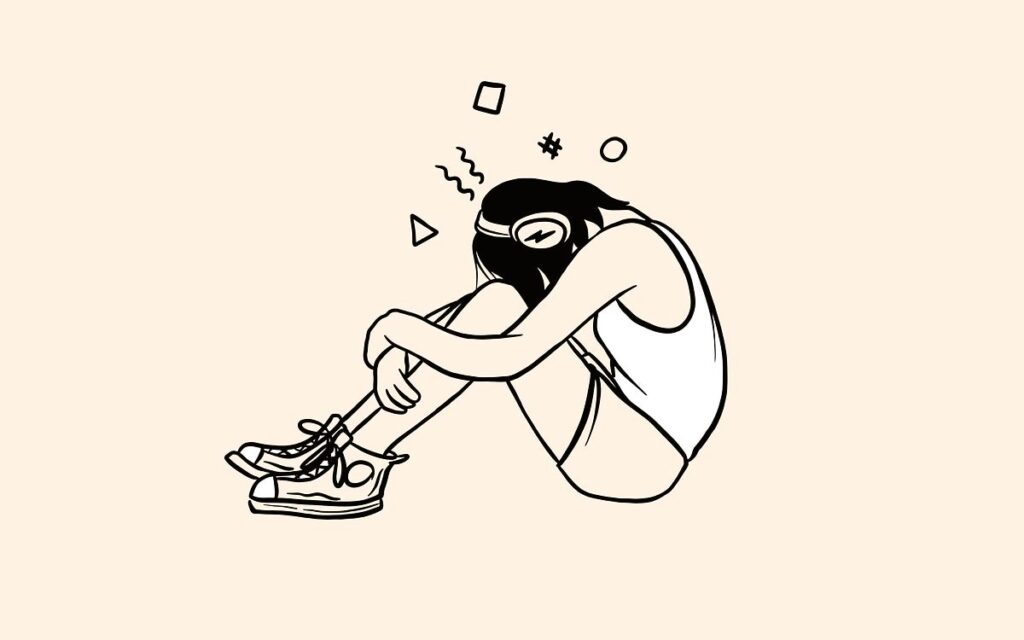
There are moments when motivation wanes, and that’s perfectly normal. Here are a few ways to overcome motivation slumps:
- Take a Break: Sometimes, stepping away from the game for a short period can rejuvenate your passion. A few hours or even a day away can help you return with a refreshed perspective.
- Mix Up Your Training Routine: If you’ve been practicing the same skills for a while, try something new to break the monotony. Playing a different game mode or practicing with new strategies can reinvigorate your interest.
- Reconnect with Your “Why”: Reflect on why you started gaming in the first place. Whether it’s the thrill of competition, the desire to improve, or the joy of gaming, reconnecting with your core reasons for playing can reignite your motivation.
Staying motivated in esports training is a dynamic process that requires a balance between intrinsic and extrinsic drives. Understanding the science behind motivation and applying effective strategies can help gamers stay focused, committed, and passionate about improving their skills. By setting clear goals, creating a supportive environment, and focusing on both the journey and the destination, players can maintain the drive needed for success in esports.
For more information about motivation, you can check out this Wikipedia article.